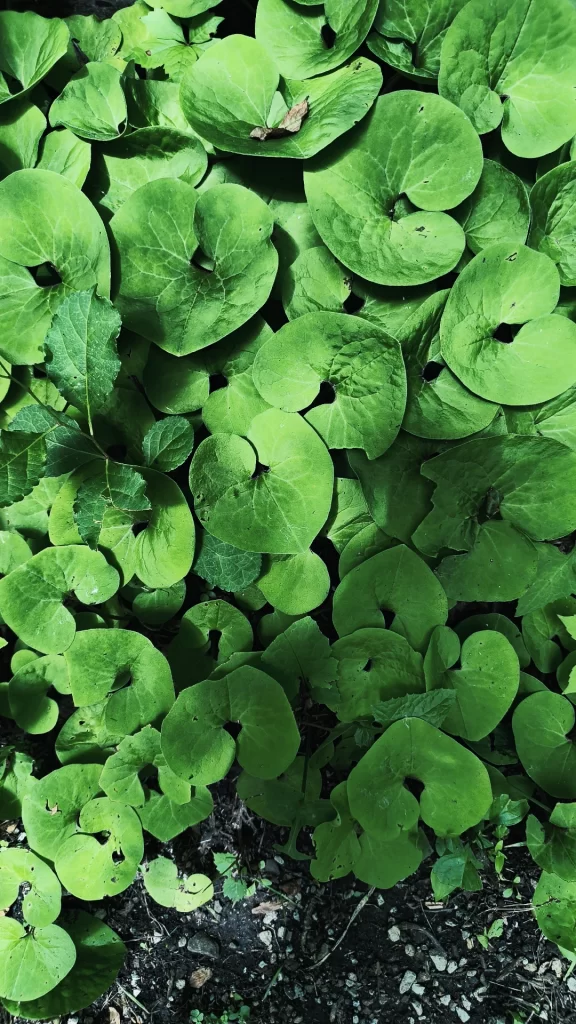

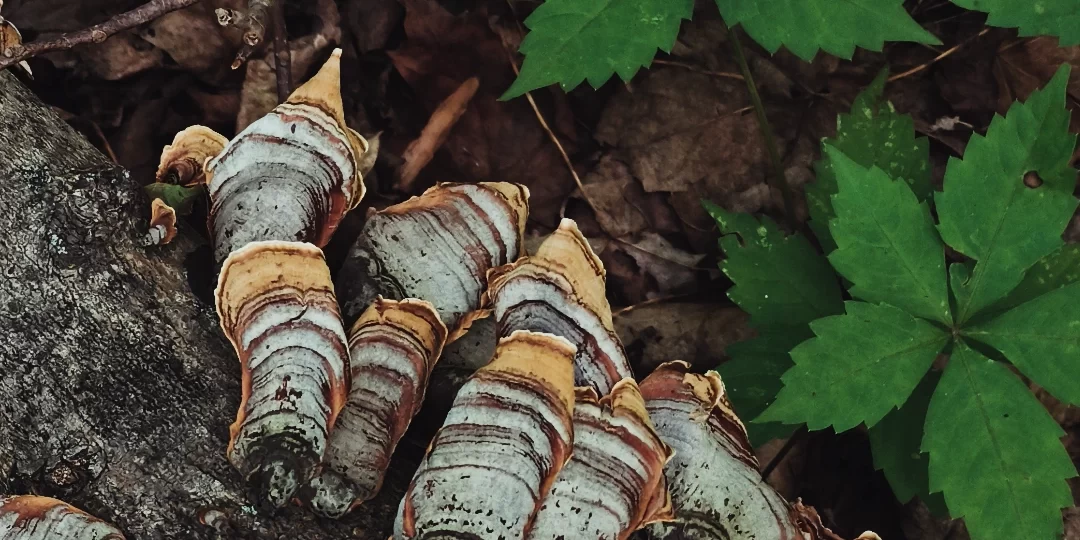
A walk through Cool Creek Park
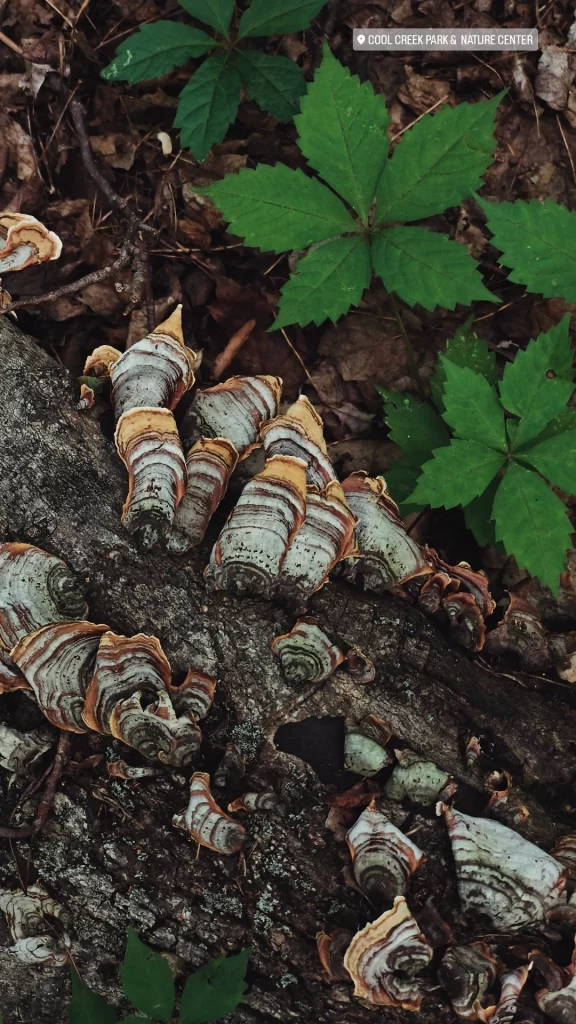
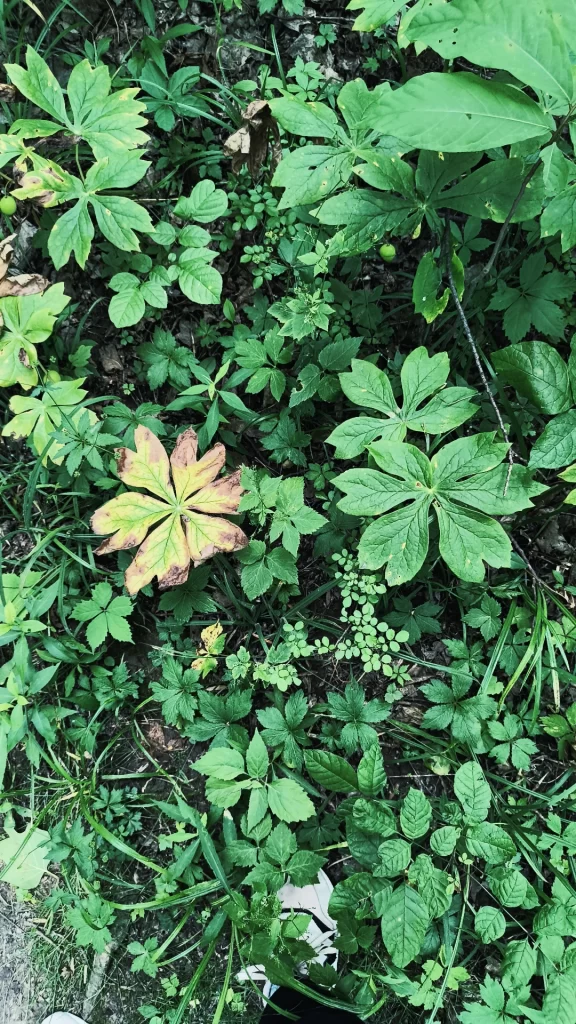
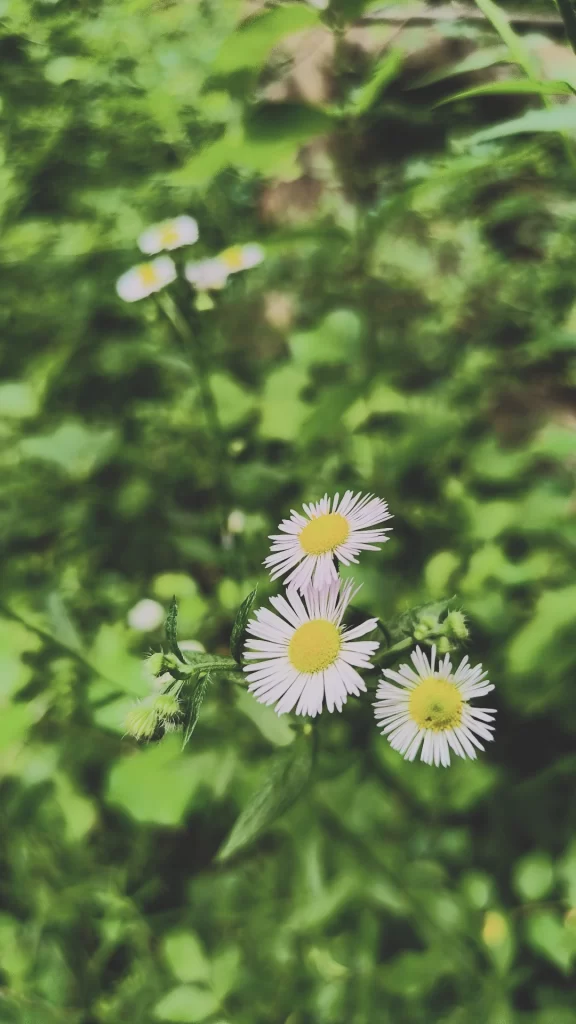
After the last few weeks of a chilly-sweater-weather-spring we are now in the confused sometimes-warm-sometimes-rainy-carry-a-light-jacket-maybe-ormaybenot phase of spring.
One of the things I’ve enjoyed most about my time in Indiana has been the abundance of open spaces and long walks through lush wooded areas. A walk through the forest trails at Cool Creek Park this morning brought to mind one of my favorite books, *The Mushroom at the End of the World* by Anna Tsing.
In the book, Tsing writes about drama and adventure beyond the realm of human activity, and how we are often unaccustomed to stories without human heroes at their center. It made me think about my own *Alien Landscapes*. And how in their own way, these speculative ecologies and imagined worlds also decenter the human protagonist, exploring environments that blur the boundaries between the real and the fantastical. They tell stories of magical beasties in their lush habitats.
Through biomorphic forms, botanical structures, and patterns, I create surreal ecosystems shaped by childhood memories of Pune and Kuwait, hours spent illustrating biology journals, and influences ranging from magical realism and science fiction to ecology and chaos theory. These varied sources open up infinite possibilities, places where fungi forests, candy trails, constellations, cocoons, and strange life forms coexist in unexpected harmony.
“Making worlds is not limited to humans”
“Without stories of progress, the world has become a terrifying place. The ruin glares at us with the horror of its abandonment. It’s not easy to know how to make a life, much less avert planetary destruction. Luckily there is still company, human and not human. We can still explore the overgrown verges of our blasted landscapes… We can still catch the scent of the latent commons—and the elusive autumn aroma.”
— Anna Tsing, The Mushroom at the End of the World: On the Possibility of Life in Capitalist Ruins